
What to Do When Your Semi Truck Breaks Down on the Highway
September 29, 2026
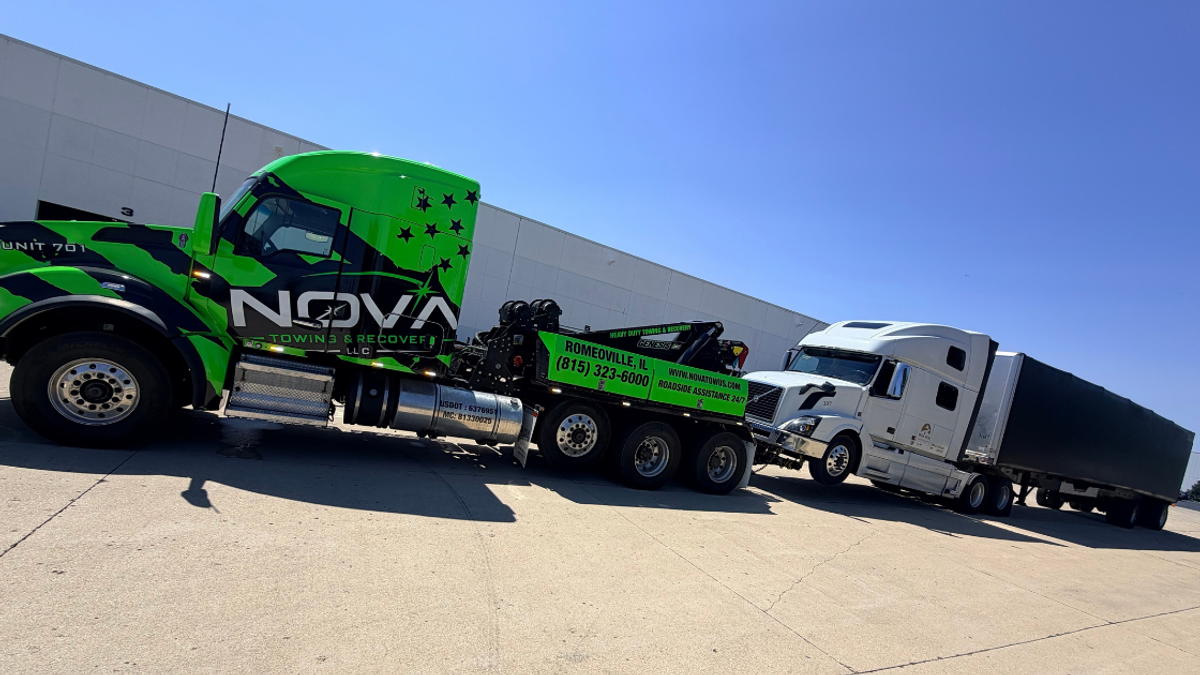
What to Do When Your Semi Truck Breaks Down on the Highway
A semi-truck breakdown can become a safety, scheduling, and logistics problem very quickly.
Whether the issue is mechanical, electrical, tire-related, fuel-related, or caused by an accident, knowing what to do in the first few minutes can help protect the driver, the vehicle, the load, and everyone around the scene.
It can also help towing and roadside teams understand the situation and respond with the right equipment.
1. Move to a Safe Location If Possible
If the truck is still operational and it is safe to do so, move as far away from active traffic as possible.
Use the shoulder, a designated emergency area, truck stop, rest area, or another safe location whenever available.
Do not attempt to move the vehicle if doing so could create additional damage or increase the risk to the driver or surrounding traffic.
2. Make the Vehicle Visible
Turn on your hazard lights immediately.
If the vehicle is stopped on or near the roadway, follow applicable commercial vehicle safety procedures for placing warning devices.
Visibility becomes especially important at night, during poor weather, on high-speed roads, and in areas with limited visibility.
The goal is to make the stopped vehicle as visible as possible to approaching traffic.
3. Assess the Situation Safely
Before requesting service, gather as much information as you safely can about the problem.
Useful details may include:
- Whether the truck can still move
- Whether the trailer is loaded or empty
- Tire or wheel damage
- Battery or starting problems
- Fuel issues
- Accident damage
- Whether the vehicle is stuck
- Whether winching may be required
- Whether the load has shifted
Do not attempt repairs if the location, traffic, or conditions make it unsafe.
4. Know Your Exact Location
Accurate location information helps dispatch understand the situation and coordinate the right response.
Be ready to provide:
- Highway or road name
- Direction of travel
- Nearest exit
- Mile marker
- Nearby city
- Truck stop, terminal, rest area, or landmark
- GPS location if available
The more precise the location, the easier it is to coordinate assistance.
5. Have Your Vehicle Information Ready
Heavy-duty towing is not one-size-fits-all.
Dispatch may need to know:
- Truck make and model
- Vehicle type
- Trailer type
- Loaded or empty status
- Approximate vehicle or load weight
- Nature of the breakdown
- Condition of the vehicle
- Preferred towing destination
Providing accurate information helps the towing company determine what equipment may be required.
6. Know When Roadside Assistance May Be Enough
Not every breakdown requires towing.
Some situations may be handled with roadside assistance, including:
- Jump starts
- Fuel delivery
- Lockout assistance
- Tire changes
- Other roadside issues that do not require recovery equipment
If the vehicle can be safely returned to service at the location, roadside assistance may help avoid an unnecessary tow.
7. Know When Heavy-Duty Towing or Recovery Is Required
Heavy-duty towing or recovery may be necessary when a commercial vehicle:
- Cannot be safely driven
- Has been involved in an accident
- Is stuck or off the roadway
- Has suffered major mechanical damage
- Requires a winch-out
- Has a shifted load
- Needs transportation to a repair facility
- Requires specialized towing equipment
Commercial trucks and trailers require equipment and handling designed for their size, weight, and configuration.
8. Know Where the Vehicle Needs to Go
If towing is required, have a destination ready when possible.
That destination may be:
- A repair facility
- Fleet terminal
- Dealership
- Truck yard
- Company location
- Another approved destination
Knowing the destination in advance can help dispatch coordinate the service more efficiently.
9. Keep Communication Clear
Heavy-duty towing situations can involve drivers, dispatchers, fleet managers, repair facilities, and sometimes other parties at the scene.
Clear communication helps reduce unnecessary delays and confusion.
Make sure the towing company has:
- The correct contact person
- A working phone number
- Accurate vehicle information
- Pickup location
- Destination
- Any important instructions
10. Call a Heavy-Duty Towing Company
Commercial vehicles require the right equipment and experience.
When towing or recovery is needed, contact a company that works specifically with heavy-duty and commercial vehicles.
Nova Towing & Recovery provides 24/7 towing, recovery, and roadside assistance for:
- Semi trucks
- Trailers
- Box trucks
- Delivery vans
- Commercial vehicles
- Construction equipment
Our services include:
- Accident recovery
- Load shift recovery
- Winch-outs
- Long-distance towing
- Jump starts
- Fuel delivery
- Lockout service
- Tire changes
Need Heavy-Duty Assistance?
If your truck is disabled and you need towing, recovery, or roadside assistance, contact Nova Towing & Recovery.
Call (815) 323-6000
Available 24/7