
Semi-Truck Breakdown on I-55 or I-80 in Illinois: What to Do Next
October 7, 2026
A semi-truck breakdown on a major Illinois interstate can quickly become more than a mechanical problem.
Traffic, vehicle position, trailer weight, cargo, road conditions, and the type of breakdown can all affect what happens next.
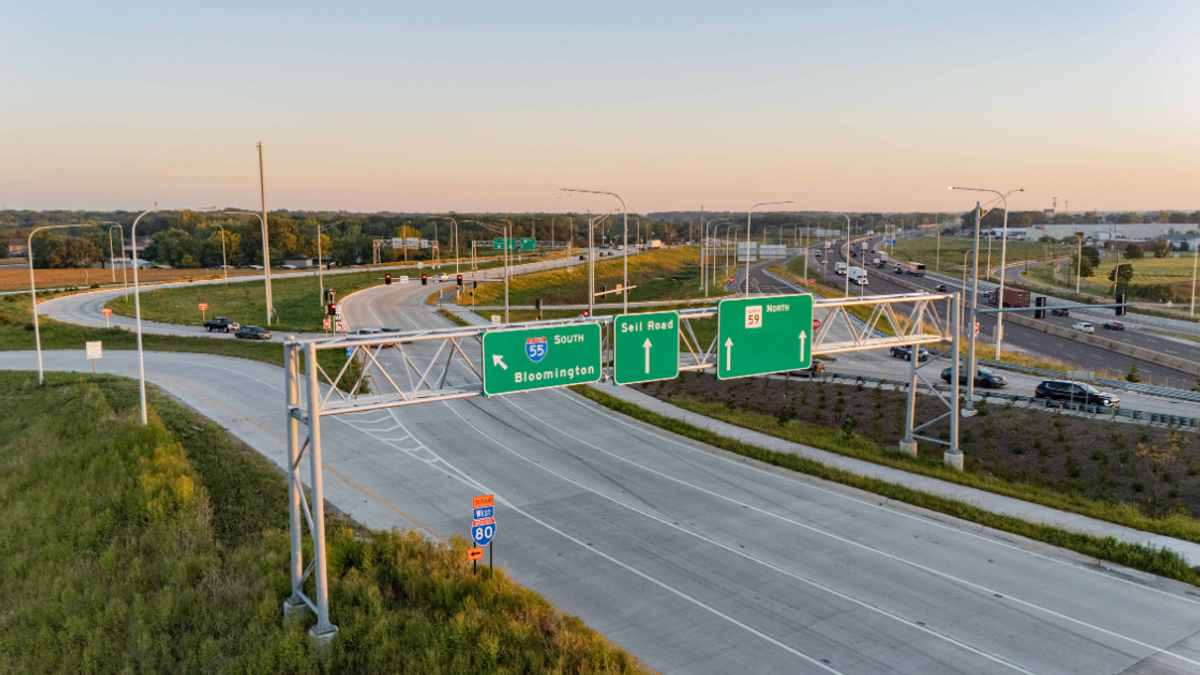
This is especially important around I-55 and I-80, two heavily traveled freight corridors serving the Chicago and Will County area. IDOT identifies I-55 as a major north-south connection between Chicago and downstate Illinois, while the I-80 corridor through Joliet and Will County carries significant commercial truck traffic. IDOT
1. Get as Far Away From Active Traffic as Safely Possible
If the truck can still move and conditions allow, try to reach a safe shoulder, emergency area, truck stop, rest area, or another location away from active traffic.
Do not continue driving if doing so could create additional damage or increase the risk to you or other motorists.
If the vehicle cannot be moved safely, focus on visibility and follow applicable commercial vehicle safety procedures.
2. Know Exactly Where You Are
Before calling dispatch, identify your location as accurately as possible.
Be ready to provide:
- I-55 or I-80
- Direction of travel
- Nearest exit
- Mile marker
- Nearby city
- Nearby interchange
- Truck stop or recognizable landmark
- GPS location when available
On long interstate corridors, simply saying “I’m on I-55” is not enough.
An accurate location helps dispatch understand where the truck is and how the scene may need to be approached.
3. Tell Dispatch Exactly What You Are Driving
Heavy-duty towing equipment needs to match the vehicle and situation.
Provide information such as:
- Tractor type
- Trailer type
- Loaded or empty status
- Approximate weight when relevant
- Number of axles
- Visible damage
- Whether the truck can roll
- Whether the tractor and trailer are still connected
Accurate information helps reduce delays caused by sending equipment that does not match the job.
4. Explain What Happened
Tell dispatch what you know about the problem.
Common roadside situations include:
- Mechanical breakdown
- Tire failure
- Battery or starting issue
- Fuel shortage
- Accident damage
- Vehicle stuck off the roadway
- Load shift
- Trailer issue
- Truck unable to move
You do not need to diagnose the exact mechanical problem. Describe what happened and the condition of the vehicle.
5. Determine Whether You Need Roadside Assistance or Towing
Not every disabled truck needs to be towed.
Depending on the issue, roadside assistance may be enough for:
- Jump starts
- Fuel delivery
- Lockout assistance
- Tire changes
Heavy-duty towing or recovery may be required when the truck:
- Cannot be safely driven
- Has major mechanical damage
- Has been involved in an accident
- Is stuck off the roadway
- Requires winching
- Has a shifted load
- Needs transport to a repair facility
6. Mention Any Recovery Complications Immediately
If the vehicle is not sitting normally on the roadway, tell dispatch during the first call.
Important details include:
- Truck or trailer in a ditch
- Vehicle on a soft shoulder
- Jackknifed tractor-trailer
- Shifted cargo
- Damaged wheels or axles
- Trailer unable to roll
- Vehicle blocking traffic
- Restricted access around the scene
These situations may require recovery equipment in addition to towing equipment.
7. Have a Towing Destination Ready
If the truck needs to be transported, confirm where it should go when possible.
Common destinations include:
- Repair facility
- Dealership
- Fleet terminal
- Truck yard
- Company facility
- Other approved destination
Knowing the destination also helps dispatch understand the distance and overall towing requirement.
Why I-55 and I-80 Matter for Commercial Drivers
The Chicago region is one of the most important freight markets in North America.
CMAP identifies Will County as a major and growing freight cluster, with significant distribution and intermodal activity. The agency also identifies portions of I-55 among the area's notable truck bottlenecks. Chicago Metropolitan Agency for Planning
For drivers and fleets operating through this region, having a reliable heavy-duty towing contact available before a breakdown happens can simplify an already difficult situation.
Heavy-Duty Towing in the Romeoville and Chicagoland Area
Nova Towing & Recovery is based in Romeoville, Illinois, providing 24/7 heavy-duty towing, recovery, and roadside assistance for commercial vehicles.
We assist:
- Semi trucks
- Trailers
- Box trucks
- Delivery vans
- Commercial vehicles
- Construction equipment
Services include accident recovery, winch-outs, load shift recovery, long-distance towing, jump starts, fuel delivery, lockout service, and tire changes.
Need Help on I-55, I-80, or Elsewhere in Illinois?
If your commercial vehicle is disabled and you need towing, recovery, or roadside assistance, contact Nova Towing & Recovery.
Call (815) 323-6000
Available 24/7